Inside the Quiet Crisis: Why Ear Wax Is Destroying Ordinary Lives
There is a domestic inconvenience that arrives without fanfare and refuses to leave politely: ear wax. It is usually dismissed in polite conversation—an inconvenient, slightly gross bodily byproduct—but for a significant number of people it is a daily, escalating problem that erodes sleep, social confidence, and even safety. The blockages start small: a barely noticeable muffling, a tickle at the rim of hearing. Then the soundstage of your life shifts, as though someone turned the dial down on the world.
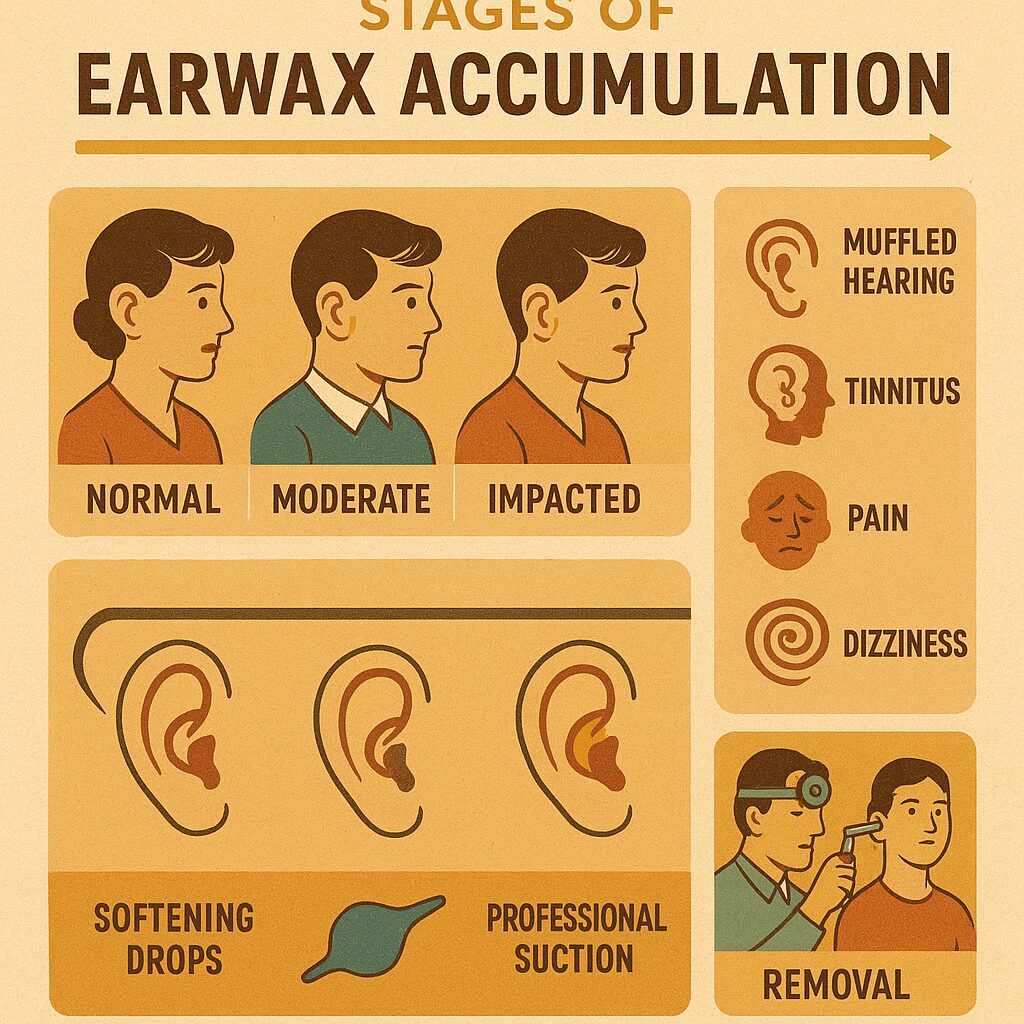
This is not an abstract issue. When cerumen (the clinical name for ear wax) hardens, it can trap moisture, host ear infections, and create pressure that causes dizziness and aching. People lose calls, miss punchlines, mishear instructions at work, and endure persistent ringing. Those problems compound. A muffled phone call can become a missed promotion. A sudden dizzy spell can become a car crash near-miss. The physical discomfort is only the first act; the social and psychological fallout is the one that rewrites routines.
My editor asked for the personal angle and I resisted—this is health journalism, not a confessional—but the complications are best understood through one very particular spiral. This is one person’s experience of how something small metastasized into a life-shattering sequence of humiliations and functional losses. If you have elephantine tolerance for embarrassment, read on. If not, know that the following account is the kind of first-person mess that makes specialists stop and rethink the categories we use for “minor” medical complaints.
I will tell it plainly: ear wax ruined my life. There, I have said it. It sounds melodramatic until you have false starts and near-misses stitched through a month of mornings. Mine began with a dull pressure behind the left ear, a fatigue that would not go away. I felt sound go soft as if someone had closed a window. At first I blamed a cold, then headphones, then the city noise. I bought a box of over-the-counter ear drops and used them like a hopeful amateur. They didn’t help. The pressure grew. I slept poorly because the ear throbbed at odd hours, and slack sleep does terrible things to patience and judgment.
The sensory detail matters: the ear developed its own micro-climate, an acidic warmth that felt like a sliver of candlelight trapped inside cartilage. Smells are subtle in this story but telling—there was a faint, yeast-like tang at times that made my breath feel suddenly laced with something I had caused. My fingers started going to the ear in meetings, fingers drawn like antennae to an itch. I could feel the blockage as a weight, a physical, inconvenient fact that did not belong but insisted on being noticed.
The social fallout came quicker than I expected. I work in a newsroom where so much is done on the phone and under pressure; nuance and tone are everything. A muffled word or a misunderstood imperative is not merely embarrassing, it is consequential. At first it was small: I asked a producer to repeat a direction during a live show; she frowned, frustrated, and told me to pay attention. Then, on a morning shift, I missed a pronunciation correction mid-livestream that led to a flubbed banner and an editor’s raised voice. My colleagues called me absent-minded. A friend made a joke about how I must be getting old.
Embarrassment turned into avoidance. I stopped taking calls in the open office and started working behind a potted plant, which is not conducive to career progress. I declined an invitation to moderate a public conversation because I feared being asked a question I would not catch. The humiliations stacked: I was conscious of cupping my ear, of tilting my head at meetings as though the world were a radio I could not tune. Friends misread this as aloofness. Dates noticed I seemed impatient. The shrinking social circle compounded the feeling of being brittle, an unnoticed flaw passing as personality.
Physically, the problem escalated. The trapped cerumen pressed on my ear canal and introduced intermittent vertigo—small, terrifying moments where the world tilted without warning. I spilled coffee and nearly dropped a glass. Once, on a rainy evening, I stepped off a curb misjudging distance and nearly ended up in the street. The potential for harm made the issue not merely embarrassing but dangerous.
There was a psychological collapse that arrived like a fog. When bodies have ongoing, inexplicable pain, they teach the mind a vocabulary of dread: worry about the next dizzy spell; worry about another muffled insult. Sleep becomes suspect. You begin to catastrophize ordinary moments. My mental bandwidth contracted into the sensations around my ear. I found myself searching online in the middle of the night for remedies, doomscrolling through forums populated by people with horror stories and miraculous cures. I chased contradictory advice—mineral oil, hydrogen peroxide, ear candling (which, spoiler, is a bad idea), DIY curettes from craft stores. Each failed attempt was an additional humiliation.
There is a line in the forums I will never forget: “You have to get rid of the how,” someone wrote in all caps, meaning—stop obsessing about the mechanism and get to a real remedy. I took that to heart in a way I should not have: I panicked, and panic is a chemical that clouds judgment. I spent money on gadgets that promised quick wins; I bought a high-tech ear irrigator with a glossy video and a five-figure testimonial count. It shook my ear canal with a water pressure I later learned was too strong and sent another wave of pressure into the inner ear. The ringing intensified. The vertigo returned in larger, more disorienting storms.
Then came the day in the grocery store. Standing in the cereal aisle, I misheard a man ask if the stray trolley was mine. I responded in a way that suggested I thought he was asking something else entirely. He laughed, and because I could not parse the soundscape properly, I laughed at the wrong moment. People around me looked at me like I had invented the awkwardness. I felt my face thread into heat. That is a small moment in isolation, but string enough of them into a month and they morph into a narrative: I am unreliable, I am broken, I am the person who can’t be trusted at a mixer or on the phone.
I eventually saw a specialist. The ENT looked at my ear with an otoscope and used a small suction device to remove an almost architectural plug of cerumen. The relief was immediate and violent: sound returned like someone turning a floodlight on. I cried in the examination chair, actually cried, not from pain but from the release of weeks of tension. The doctor gave me a plan—softening drops, a gentle irrigation routine, and instructions to avoid cotton swabs. I went home with a new set of rules and a humility I had not sought.
The story I tell here is vivid because it must be. This is not merely about hygiene; it is about how an untreated, stigmatized condition can unravel sleep, confidence, safety, and social capital. Ear wax is not glamorous, but its impact threads into the nervous system of daily life. If that is your situation—or the situation of someone you care about—there are practical things to do. But first, the humiliation needs acknowledgment: the way a small blockage can rewrite an identity and how, sometimes, you must work hard and patiently to get rid of the how.

No-Nonsense Fixes That Actually Work: Clinician-Backed Steps and Tools
There are three reliable avenues: conservative home care, mechanical removal (irrigation or suction), and professional extraction. Which path you choose depends on symptoms: mild muffling and no pain can often be treated at home; pain, drainage, sudden hearing loss, or recurrent vertigo require professional assessment. Below are expert-level strategies, with clear why-it-works explanations and practical product cues to help you act.
1. Soften the plug before anything else
Cerumen responds predictably to softening agents. Liquids with low irritant potential like mineral oil, olive oil, or OTC carbamide peroxide drops penetrate and emulsify hardened wax over days. Why it works: the lipid content in oil dissolves and loosens the dense cerumen matrix, reducing adhesion to the canal walls and making extraction less traumatic.
Recommended: Earwax Softening Drops — look for carbamide peroxide or plain mineral oil formulas. Use twice daily for up to a week unless pain or discharge develops.
2. Gentle mechanical irrigation when appropriate
After adequate softening, gentle irrigation can flush residual debris. The method: use body-temperature water in a bulb syringe or low-pressure irrigator at a safe angle. Why it works: softened cerumen breaks apart and is carried out by the water column without forcing it deeper. Do not use hot water (dizziness risk) or high-pressure household sprayers (perforation risk).
Recommended: Bulb Syringe for a low-cost, low-pressure option. For a more controlled home system try a branded electronic irrigator: Portable Ear Irrigator. Follow manufacturer instructions and stop if you feel pain or increased vertigo.
3. Manual removal by a clinician when the wax is impacted
ENTs use micro-suction or curettage under direct visualization. Why it works: professionals can see the canal and remove wax in controlled fragments, minimizing pressure changes that trigger vertigo and avoiding canal trauma. This is the safest route for recurrent impaction, hearing loss, or if you have a perforated eardrum.
If you prefer to prepare at home before visiting, use softening drops for 48–72 hours to make the specialist’s job easier. For tools that support safe at-home maintenance, consider: Earwax Removal Kit (drops plus bulb syringe) and a simple Ear Irrigation Kit with temperature guide.

4. Use tools correctly — and stop the cotton-swab habit
Cotton swabs push wax deeper; they do not remove it, and they frequently cause impaction or canal abrasion. If you use picks, choose soft-loop picks designed to cradle wax near the canal opening only. Why it works: looped picks collect surface debris without exerting shearing pressure into the canal. Use sparingly and visually: never insert devices beyond what you can see in a mirror.
Recommended: Loop Ear Wax Remover. These are for cleaning the lateral canal only; they are maintenance tools, not extraction instruments for impacted cerumen.

5. Prevent recurrence with routine care and behavior changes
Prevention is about respecting ear physiology. Do not overclean. If you produce excess wax or have narrow canals, a maintenance schedule of drops every few weeks or a periodic professional cleaning will keep things functional. Ear hygiene is not about sterility; it’s about balance. Why it works: maintaining cerumen at normal levels prevents the formation of hard, adherent plugs and reduces infection risk.
Other clinical considerations: people who swim frequently, use hearing aids, or have dermatologic ear conditions are at higher risk and should consult an ENT for personalized maintenance. If you experience pain, drainage, sudden hearing loss, or recurrent vertigo, seek professional care rather than attempting aggressive home remedies.
To summarize the decision tree: try softening drops for mild symptoms; if there is no improvement or if you experience pain/vertigo, stop home care and see a clinician; if removal is required, professional micro-suction is safest for impacted wax. The tools above are useful adjuncts but not substitutes for medical care when red flags appear.
Start Today: Take Back Your Hearing, Quickly and Without Drama
If you recognized yourself in that earlier story, act. The steps are straightforward: soften, assess, and either irrigate gently at home or see a professional for extraction. Do not chase hacks. The embarrassment fades fast when sound returns and confidence follows. Remember: stop obsessing about mechanisms; get rid of the how and get to the solution. Book the appointment, buy the drops, or use the bulb syringe as instructed. The budget-friendly measures will often do the trick—save the fancy gadgets for when a clinician recommends them.
Hearing loss from cerumen is reversible in most cases. The urgency is real because the social, psychological, and physical costs compound quickly. Take a small step now: try a few nights of ear-softening drops, avoid cotton swabs, and if anything feels wrong—pain, bleeding, discharge—see a professional. You will be surprised how much of your life sits within the range of a clear canal and a restored soundstage. Act now and reclaim the ordinary rhythms you were not meant to lose.
Leave a Reply